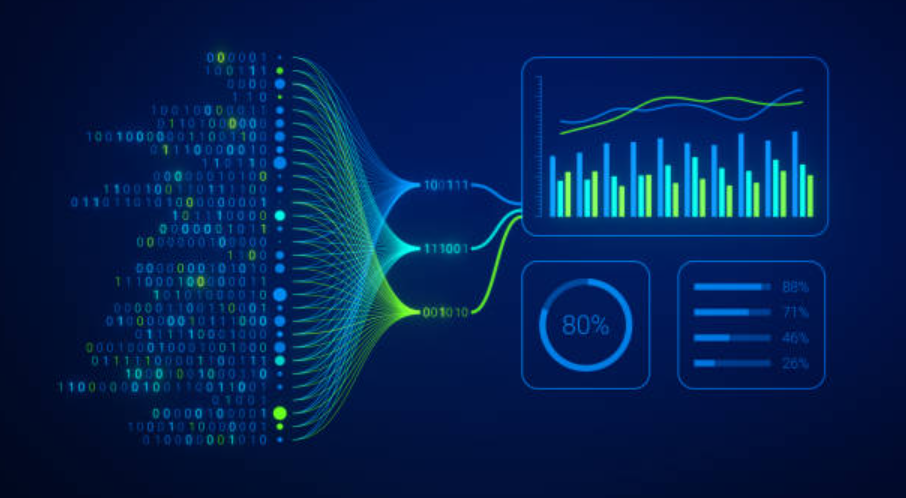
As organisations accelerate their digital transformation efforts, data has become the backbone of operational decision-making. Yet despite heavy investment in analytics platforms and cloud infrastructure, many businesses still rely on fragmented, manual processes to move data between systems. This disconnect is quietly undermining efficiency, accuracy, and scalability.
Manual data handling introduces friction at every stage of the lifecycle. From delayed reporting to inconsistent datasets, the operational cost compounds over time. Teams spend valuable hours reconciling discrepancies rather than extracting insight, while leadership makes decisions based on data that is already out of date.
What is increasingly clear is that modern enterprises cannot scale analytics, AI, or real-time decisioning without first addressing how data flows internally. This is where structured data automation becomes a foundational capability rather than a technical afterthought.
Automated data processes ensure that information moves reliably from source systems to analytical and operational environments without human intervention. This reduces error rates, improves data freshness, and creates a single source of truth across departments. More importantly, it enables businesses to respond to change faster—whether that’s shifting customer behaviour, supply chain disruption, or regulatory demands.
See also: EdTech And Student Well-Being: Balancing Technology And Human Support in Learning
Well-designed data pipelines also future-proof organisations against growth. As new tools, platforms, and data sources are introduced, automation allows these to be integrated without re-engineering the entire stack. The result is a more resilient architecture that supports innovation rather than slowing it down.
In an era where competitive advantage is increasingly defined by speed and accuracy, organisations that treat data movement as a strategic function—not just an IT task—are the ones best positioned to lead.