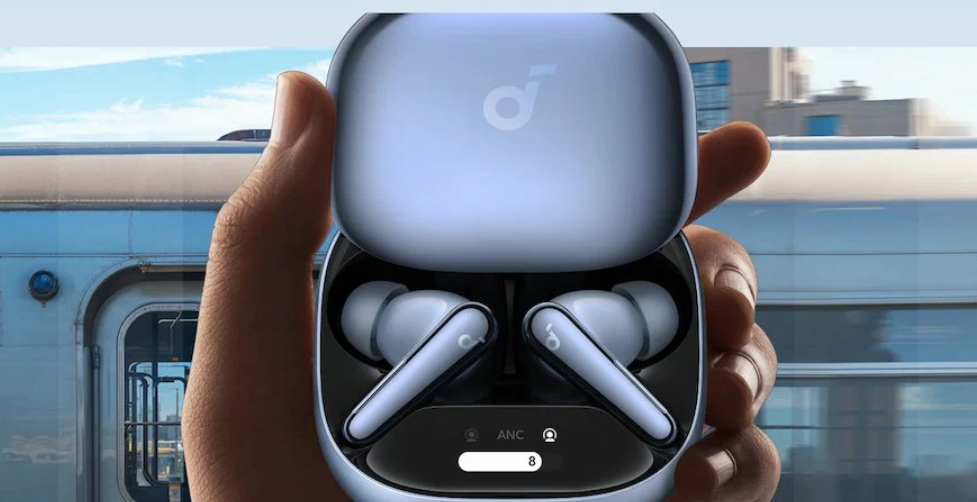
If you’ve shopped for wireless earbuds or headphones recently, you’ve probably seen two features mentioned everywhere: Noise Cancellation and Transparency Mode. They sound impressive—and they are—but they do very different things.
At first glance, it can be confusing. One blocks the world out. The other lets the world in. So why would you need both? And more importantly, which one actually matters for you?
Let’s break it down in simple terms and explore how each feature works, when to use it, and how to decide what fits your lifestyle.
What Is Noise Cancellation?
Noise cancellation (often called ANC—Active Noise Cancellation) is designed to reduce or eliminate background sounds so you can focus on what you’re listening to.
Think airplane engines, traffic noise, office chatter, air conditioning hums, or train rumbles. Instead of turning your volume up to drown out the noise, ANC works to reduce those sounds before they even reach your ears.
How Does It Work?
Active noise cancellation uses tiny microphones built into your earbuds or headphones. These microphones listen to the sounds around you in real time. The device then creates an opposite sound wave—basically a mirror image of the noise—which cancels out the original sound.
It’s like adding +1 and -1 together. They neutralize each other.
The result? A quieter environment without blasting your music at dangerous volumes.
What Is Transparency Mode?
Transparency mode (sometimes called Ambient Mode) does the opposite of noise cancellation.
Instead of blocking out the world, it lets outside sounds in—intentionally.
But here’s the important part: it doesn’t just remove the seal from your ears. It uses microphones to capture outside sound and play it back through your earbuds in a natural, balanced way.
So you can listen to music and still hear:
- Someone calling your name
- A car approaching
- An airport announcement
- A colleague asking a quick question
It’s about staying aware without removing your earbuds.
The Core Difference in One Sentence
Noise cancellation minimizes external sounds so you can focus inward.
Transparency mode enhances external sounds so you can stay aware outward.
They’re opposites—but they’re designed to work together.
When Should You Use Noise Cancellation?
Noise cancellation shines in environments where background sound is constant and distracting.
1. Traveling
Airplanes, buses, and trains generate steady low-frequency noise. ANC is especially effective against these sounds. It makes long trips more comfortable and less mentally exhausting.
2. Working in Busy Spaces
If you work in cafés, open offices, or shared spaces, noise cancellation helps you stay focused without increasing volume levels.
3. Studying
Students often rely on ANC to create a “quiet bubble” in otherwise noisy environments like dorms or libraries.
4. Relaxation
Sometimes you just want peace. Turning on ANC without even playing music can create a calming, quieter atmosphere.
When Should You Use Transparency Mode?
Transparency mode is ideal when you need awareness but don’t want to remove your earbuds.
1. Walking in Public Areas
Safety matters. Hearing traffic, cyclists, or people around you is important.
2. Quick Conversations
Instead of pausing music and removing your earbuds, transparency mode lets you talk naturally.
3. Waiting for Announcements
Airports, train stations, and offices often require you to stay alert for updates.
4. Parenting or Caregiving
You can listen to music or podcasts while still hearing what’s happening at home.
Which One Is Better?
Neither is “better.” They serve different purposes.
The real question is: what’s your daily routine like?
If you commute daily or work in loud environments, noise cancellation will likely feel essential.
If you’re frequently moving around, talking to people, or prioritizing awareness, transparency mode becomes just as important.
The best modern earbuds include both—and allow you to switch between them instantly.
Sound Quality Differences
Some people worry that enabling these modes affects audio quality. The truth is, it can—but technology has improved significantly in recent years.
With Noise Cancellation On
You might notice:
- Clearer low-end bass
- Less need to increase volume
- A more immersive sound
However, very sensitive listeners may detect slight pressure in their ears. This is normal and varies by model.
With Transparency Mode On
You’ll hear your surroundings blended with your audio. Premium devices aim to make this sound natural rather than artificial or robotic.
Older or cheaper models sometimes amplify wind or create a slightly “processed” feel.
Does Noise Cancellation Block All Sound?
No—and that’s a common misconception.
Noise cancellation works best on steady, low-frequency sounds like engines and hums.
It’s less effective against:
- Sudden loud noises
- High-pitched sounds
- Sharp voices nearby
That’s why you might still hear someone speaking next to you, though it will be reduced.
For complete isolation, you’d need a combination of:
- Good physical ear seal (passive noise isolation)
- High-quality active noise cancellation
Battery Life Considerations
Here’s something people don’t always think about: both noise cancellation and transparency mode use extra power.
When ANC is on, battery drains faster because microphones and sound processing are constantly active.
Transparency mode also uses power but typically slightly less than full ANC.
If battery life is a major concern, check how long your earbuds last with these modes enabled—not just the standard playback time.
Comfort and Pressure Sensation
Some users report feeling slight pressure when using noise cancellation. It’s not harmful—it’s just your brain adjusting to the sudden absence of ambient sound.
Most people get used to it quickly.
Transparency mode usually feels more natural because you’re still hearing environmental cues.
If you’re sensitive to pressure or prefer a more open feeling, look for earbuds with adjustable ANC levels so you can reduce intensity.
Adaptive Modes: The Best of Both Worlds
In 2026, many premium earbuds include adaptive audio features.
These systems automatically switch between noise cancellation and transparency depending on your environment.
For example:
- Full ANC on a train
- Reduced ANC while walking
- Transparency when someone starts speaking
It’s a seamless experience that removes the need to manually toggle settings.
If convenience matters to you, this is a feature worth considering.
Are These Features Safe?
Generally, yes.
In fact, noise cancellation can improve hearing safety because you don’t need to crank your volume to overpower background noise.
Transparency mode enhances awareness, which is safer than fully isolating yourself in public spaces.
The key is still responsible listening:
- Keep volume at reasonable levels
- Stay aware in high-traffic environments
- Don’t rely solely on technology for safety
Common Myths
“Noise cancellation is only for travel.”
Not true. It’s equally useful in offices, homes, and urban environments.
“Transparency mode ruins sound quality.”
On high-quality earbuds, it blends naturally without overpowering your music.
“You don’t need both.”
Many people think they’ll only use one—but once you experience the flexibility of switching between modes, it’s hard to go back.
How to Choose Earbuds Based on These Features
When comparing models, consider:
- How strong is the noise cancellation?
- Is transparency mode natural or artificial?
- Can you adjust levels?
- Is there wind noise reduction?
- Does switching modes happen instantly?
Reading real-world reviews helps because manufacturer descriptions often sound similar across brands.
Real-Life Scenario Comparison
Imagine this day:
You start your morning commute on a noisy train. Noise cancellation helps you relax and enjoy your playlist.
You arrive at the office and a colleague asks you something. Instead of removing your earbuds, you switch to transparency mode and respond instantly.
Later, you walk to lunch through busy streets. Transparency mode keeps you aware of traffic.
On the way home, back to full ANC for a peaceful ride.
That’s the real advantage—not choosing one over the other, but having both ready when you need them.
Final Thoughts: It’s About Control
The real difference between noise cancellation and transparency mode isn’t just technical—it’s about control.
Noise cancellation gives you control over distractions.
Transparency mode gives you control over awareness.
Modern earbuds aren’t just about sound anymore. They’re about shaping your environment to match your needs in the moment.
If you value focus, immersion, and calm—noise cancellation will feel like a superpower.
If you value flexibility, safety, and social awareness—transparency mode becomes equally important.
And if you want the best experience in 2026, look for earbuds that do both well and let you switch effortlessly.
Because sometimes you want to shut the world out.
And sometimes, you need to let it in.