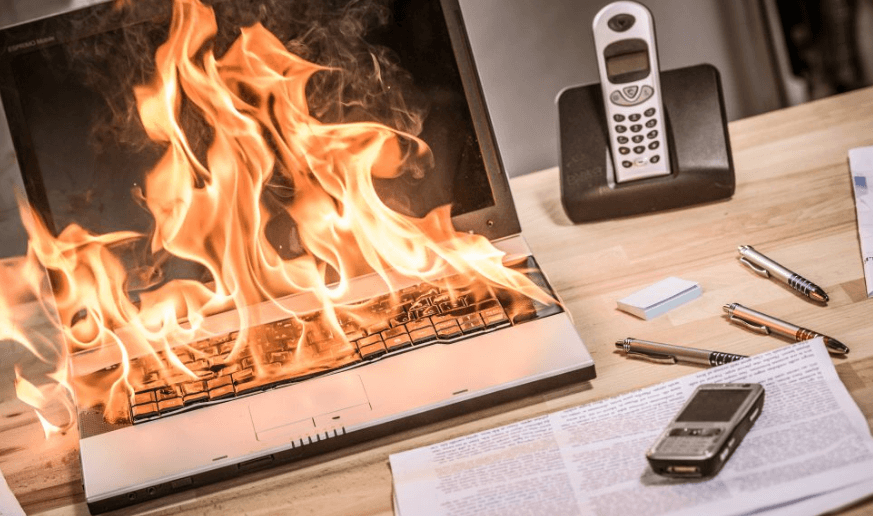
A Fire Risk Assessment is especially important during construction and renovation projects because fire risks change constantly. Temporary structures, exposed materials, and evolving layouts create conditions where fires can start and spread quickly.
Construction sites experience a higher rate of fire incidents than many other workplaces. A well-planned Fire Risk Assessment helps control these risks and protect workers, visitors, and nearby properties.
Fire safety must be managed from the start of the project to completion.
Temporary Fire Risks on Construction Sites
Construction and renovation projects introduce temporary fire hazards not normally present in completed buildings. Hot works such as welding, cutting, and grinding are major ignition sources.
Temporary electrical supplies, portable heaters, flammable materials, and fuel storage further increase risk. Poor housekeeping and waste accumulation are common contributors to site fires.
Fire Risk Assessment must be dynamic to reflect these changing conditions.
Fire Risk Assessment During Different Project Phases
Fire risks vary across project phases. Early stages may involve demolition and removal of fire-resistant materials, while later stages introduce new electrical systems and finishes.
A Fire Risk Assessment should be reviewed regularly to reflect these changes. What was safe one week may become hazardous the next as work progresses.
Ongoing review is essential for effective fire safety management.
Managing Hot Work Safely
Hot work is one of the most common causes of fires during construction. Fire Risk Assessment should include a hot work permit system to control ignition sources.
Controls may include fire watches, removal of combustible materials, and availability of firefighting equipment. Clear procedures reduce the likelihood of fires during and after hot work activities.
Proper supervision is essential.
Fire Detection and Warning Arrangements
Temporary fire detection and warning systems may be required during construction. A Fire Risk Assessment must consider how alarms will be raised and how workers will be alerted.
Manual alarms, temporary detection systems, or site-specific procedures may be appropriate. Clear communication methods help ensure rapid evacuation in an emergency.
Alarm systems must be suited to the site environment.
Emergency Access and Escape Routes
Escape routes on construction sites often change as work progresses. Fire Risk Assessment must ensure that routes remain clearly marked, unobstructed, and usable at all times.
Emergency access for fire and rescue services must also be maintained. Blocked routes are a common enforcement issue during site inspections.
Regular checks help maintain safe access and egress.
Coordination Between Contractors
Construction projects often involve multiple contractors working simultaneously. Fire Risk Assessment must consider how responsibilities are shared and communicated.
Clear coordination prevents gaps in fire safety management. Everyone on site should understand fire procedures, alarm signals, and assembly points.
Poor coordination increases risk significantly.
See Also: Beginner Friendly Home Workouts
Training and Induction for Site Workers
Fire safety training should form part of site induction. Fire Risk Assessment findings should be communicated clearly to all workers.
Training must cover site-specific risks, emergency procedures, and reporting of hazards. Temporary workers should receive the same level of instruction as permanent staff.
Awareness supports safe behavior.
Fire Risk Assessment Documentation on Construction Sites
Documentation is essential during construction projects. Fire Risk Assessment records should be kept on-site and updated regularly.
Inspectors may request evidence of assessment, training, and control measures. Accurate documentation demonstrates compliance and proactive risk management.
FAQs About Fire Risk Assessment for Construction Projects
Is Fire Risk Assessment required on all construction sites?
Yes, fire safety must be assessed on all sites.
How often should assessments be reviewed?
Frequently, especially after changes in work activities.
Who is responsible for fire safety on site?
The principal contractor usually holds responsibility.
Are temporary alarms acceptable?
Yes, if suitable for the site conditions.
Is hot work a major fire risk?
Yes, it is one of the leading causes of site fires.
Can enforcement action occur on construction sites?
Yes, inspectors regularly visit construction projects.
Conclusion
Fire Risk Assessment for construction and renovation projects is essential due to constantly changing risks. By reviewing assessments regularly, managing hot work, maintaining escape routes, and coordinating contractors, responsible persons can significantly reduce fire hazards. A proactive Fire Risk Assessment approach protects workers, property, and project continuity.