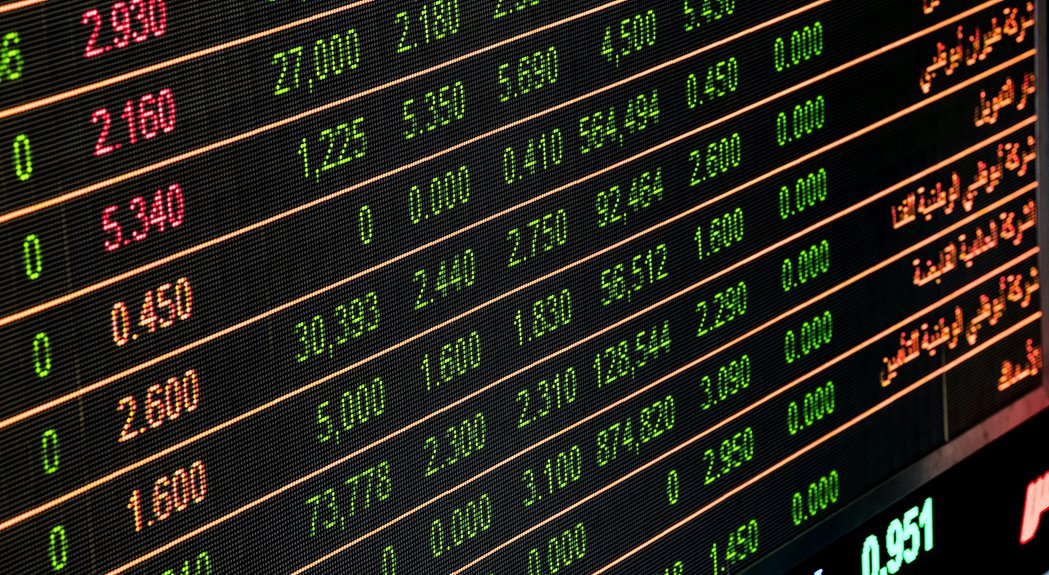
Global market signals, identified by codes such as 6473637175 and 62326996, play a pivotal role in reflecting economic interconnections. These indicators reveal trends that can significantly impact sector performance and price movements. Investors and policymakers benefit from understanding these signals, as they inform strategic decisions amid market fluctuations. However, the complexities behind these signals prompt further examination of their implications for future economic stability and growth.
Understanding the Significance of Market Signals
Although market signals may appear as mere fluctuations in price, they hold critical insights into the underlying dynamics of the economy.
Analyzing market behavior provides essential data for economic forecasting, revealing trends that can guide investment decisions.
Understanding these signals empowers individuals and businesses to navigate economic uncertainties, fostering an environment where freedom and informed choices thrive amid the complexities of global markets.
Analyzing Historical Trends of Key Indicators
A comprehensive analysis of historical trends reveals significant patterns in key economic indicators that can provide valuable insights for future market behavior.
By examining historical patterns in GDP growth, inflation rates, and employment statistics, analysts can discern cyclical movements and potential inflection points.
Understanding these key indicators equips investors and policymakers with the knowledge necessary to navigate the complexities of an ever-evolving economic landscape.
Sector Implications of Global Market Signals
As global market signals evolve, their implications for various sectors become increasingly evident, necessitating a closer examination of how these signals influence sector performance.
Market volatility shapes economic forecasts, prompting investors to refine their investment strategies. Effective risk management becomes crucial, as fluctuations in global trade affect sector dynamics, underscoring the interconnectedness of markets and the need for adaptive approaches in sector-specific analysis.
Strategic Decision-Making in a Dynamic Economy
In a dynamic economy, strategic decision-making necessitates a comprehensive understanding of shifting market signals and their implications for business operations.
Effective risk assessment is crucial, enabling organizations to navigate uncertainties and capitalize on opportunities.
Conclusion
In the vast ocean of the global economy, market signals serve as guiding stars for investors and policymakers navigating turbulent waters. Each identifier, like a lighthouse, illuminates historical trends and sector implications, allowing for strategic decision-making amidst uncertainty. By understanding these signals, organizations can chart a course through volatility, much like skilled sailors leveraging wind patterns to reach their destination. Ultimately, the ability to interpret these signals empowers stakeholders to adapt and thrive in an ever-changing financial landscape.