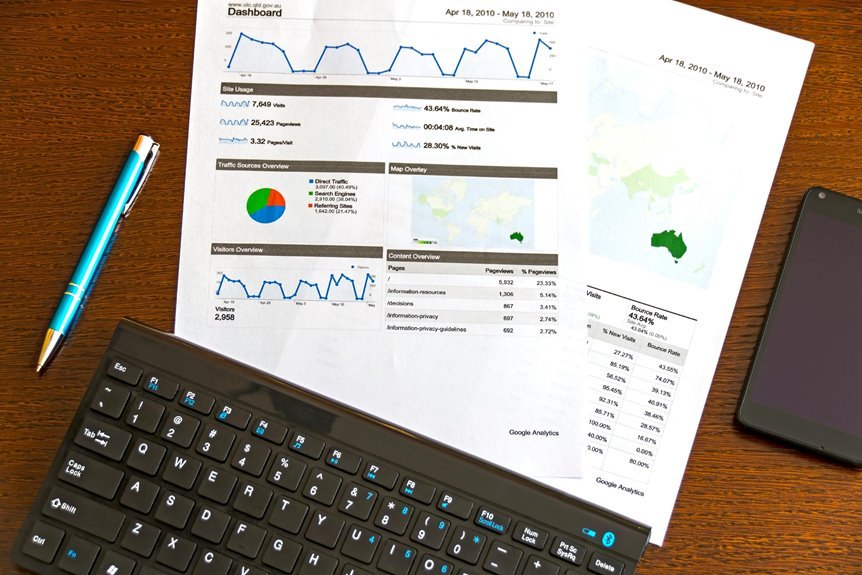
The Strategic Growth Dashboard, identified by its unique numbers, represents a critical tool for organizations striving for enhanced performance. It synthesizes key growth indicators and real-time data to facilitate informed decision-making. By assessing opportunities and risks, the dashboard supports a culture of continuous improvement. However, its true effectiveness hinges on understanding the key metrics that drive sustainable business growth. What insights can emerge from a deeper exploration of its functionalities?
Understanding the Strategic Growth Dashboard
While many organizations seek to enhance their performance, understanding the Strategic Growth Dashboard is crucial for translating aspirations into actionable insights.
The dashboard features a variety of growth indicators that allow leaders to visualize trends, assess opportunities, and identify potential risks.
Key Metrics for Effective Decision-Making
The effectiveness of decision-making within organizations heavily relies on the identification and utilization of key metrics.
These metrics facilitate data-driven decisions, enabling leaders to assess performance accurately and adapt strategies accordingly.
Through rigorous metric analysis, organizations can pinpoint areas for improvement and leverage insights to foster growth, ensuring that decisions are informed by robust data rather than intuition.
Ultimately, this promotes freedom in strategic direction.
Leveraging Real-Time Data for Performance Tracking
As organizations increasingly embrace digital transformation, leveraging real-time data for performance tracking has become essential for maintaining a competitive edge.
Real-time analytics enables businesses to monitor performance metrics continuously, allowing for swift adjustments to strategies and operations.
This dynamic approach fosters agility, empowering organizations to respond to market changes effectively and optimize their performance in an ever-evolving landscape.
Strategies for Sustainable Business Growth
In a rapidly changing business environment, organizations must adopt strategies that not only drive immediate results but also ensure long-term sustainability.
Implementing sustainable practices alongside innovative growth initiatives fosters resilience and adaptability. By prioritizing eco-friendly operations, optimizing resource use, and engaging stakeholders, businesses can achieve a balance between profitability and environmental responsibility, paving the way for enduring success in the marketplace.
Conclusion
In conclusion, the Strategic Growth Dashboard stands as a significant sentinel, steering organizations toward success through savvy strategies and sound insights. By synthesizing real-time data and spotlighting essential metrics, it empowers leaders to navigate the nuanced landscape of business growth. Ultimately, fostering a forward-thinking framework, this dynamic tool not only enhances decision-making but also cultivates a culture of continuous improvement, ensuring sustainable success in an ever-evolving environment.